
Extreme unloading:
10 hours → 30 minutes.
Railcar vibrators and brush cleaning machines for bridged, caked or slightly frozen bulk material. The worst loads that took up to 10 hours now unload in 30 minutes — proven at 50+ terminals since 2015.
Every stuck railcar
costs you money.
Bridged or slightly frozen material
Bridged, clinging or slightly frozen loads leave railcars not fully unloaded and delay their return.
Learn more →Manual railcar cleaning
Residue in open railcars and on dome walls means hard, unsafe manual cleaning with hand tools.
Learn more →Unloading downtime
Every extra minute per railcar multiplies across a full train and a full year.
Learn more →Equipment that can't cope
Existing equipment isn't powerful enough to fully unload the railcar.
Learn more →Solutions that work
as hard as you do.
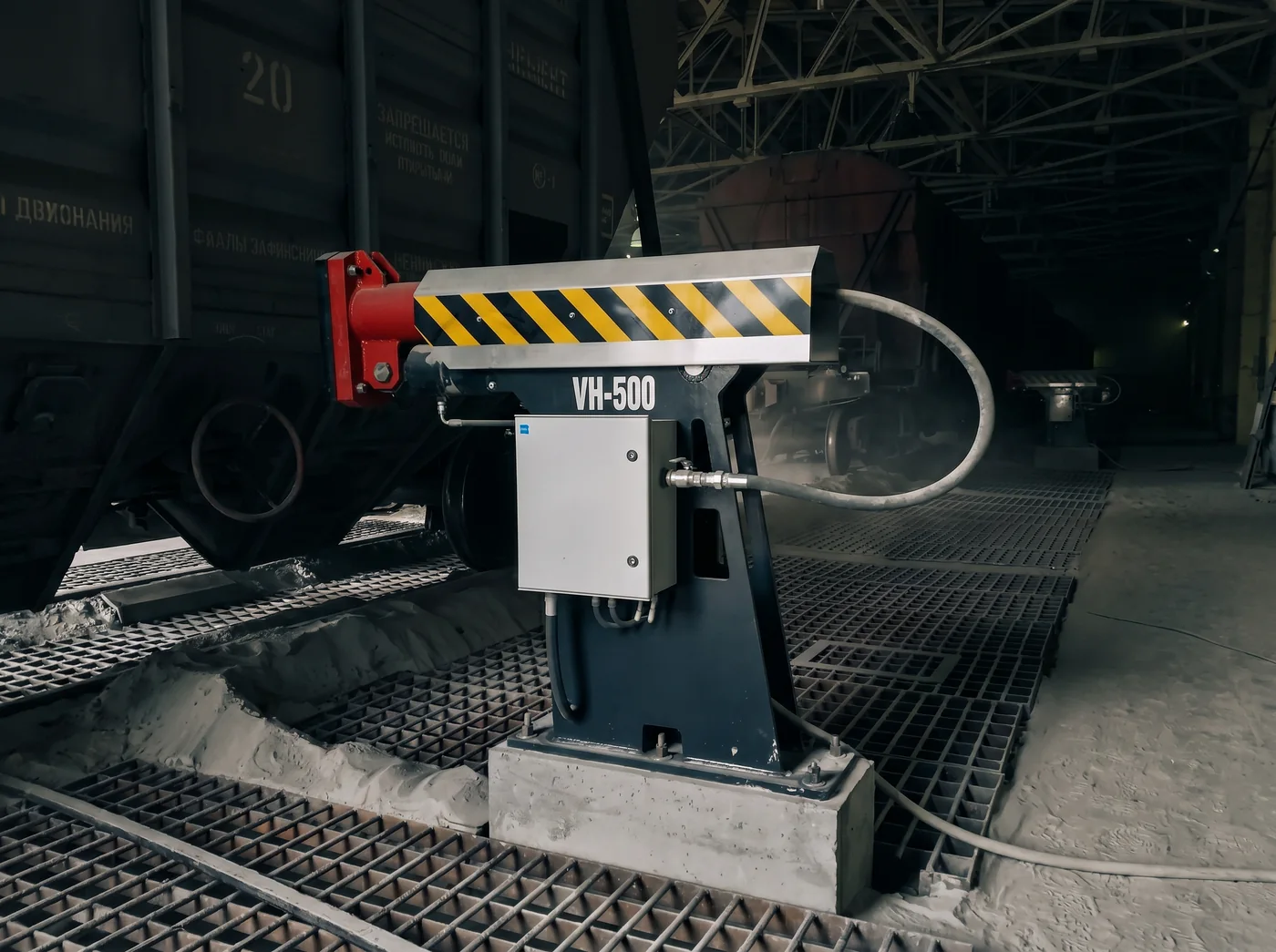
Railcar vibrators
VH-500 · VH-500T · VH-200 · VH-500R (in rollout). Up to 550 J of pulse energy to discharge stuck and slightly frozen material from hopper railcars.
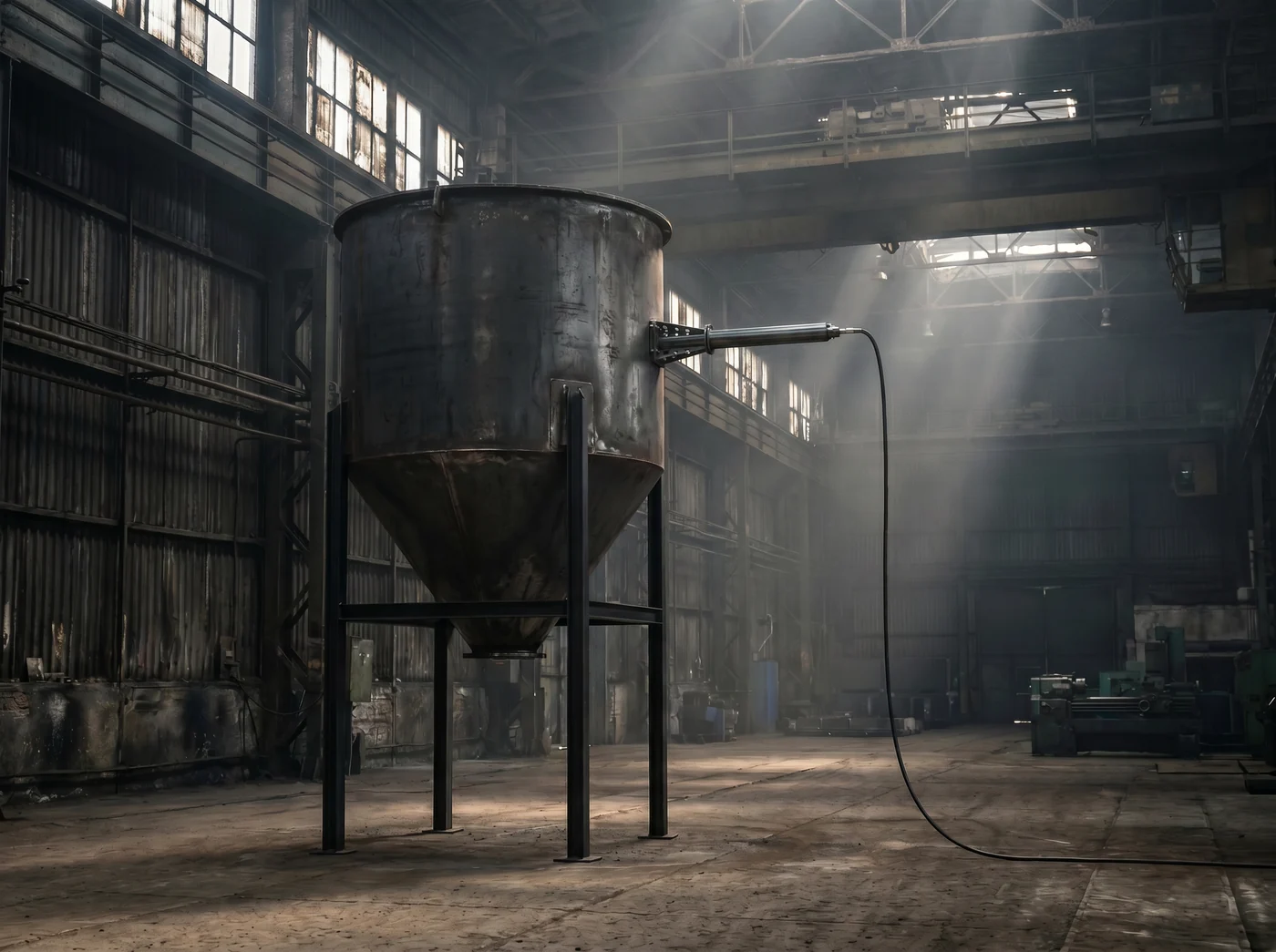
Rockhammer
RH-200 · RH-500. Pneumatic hammers that break bridging and restore flow in hoppers, bins and silos. No more sledgehammer work!
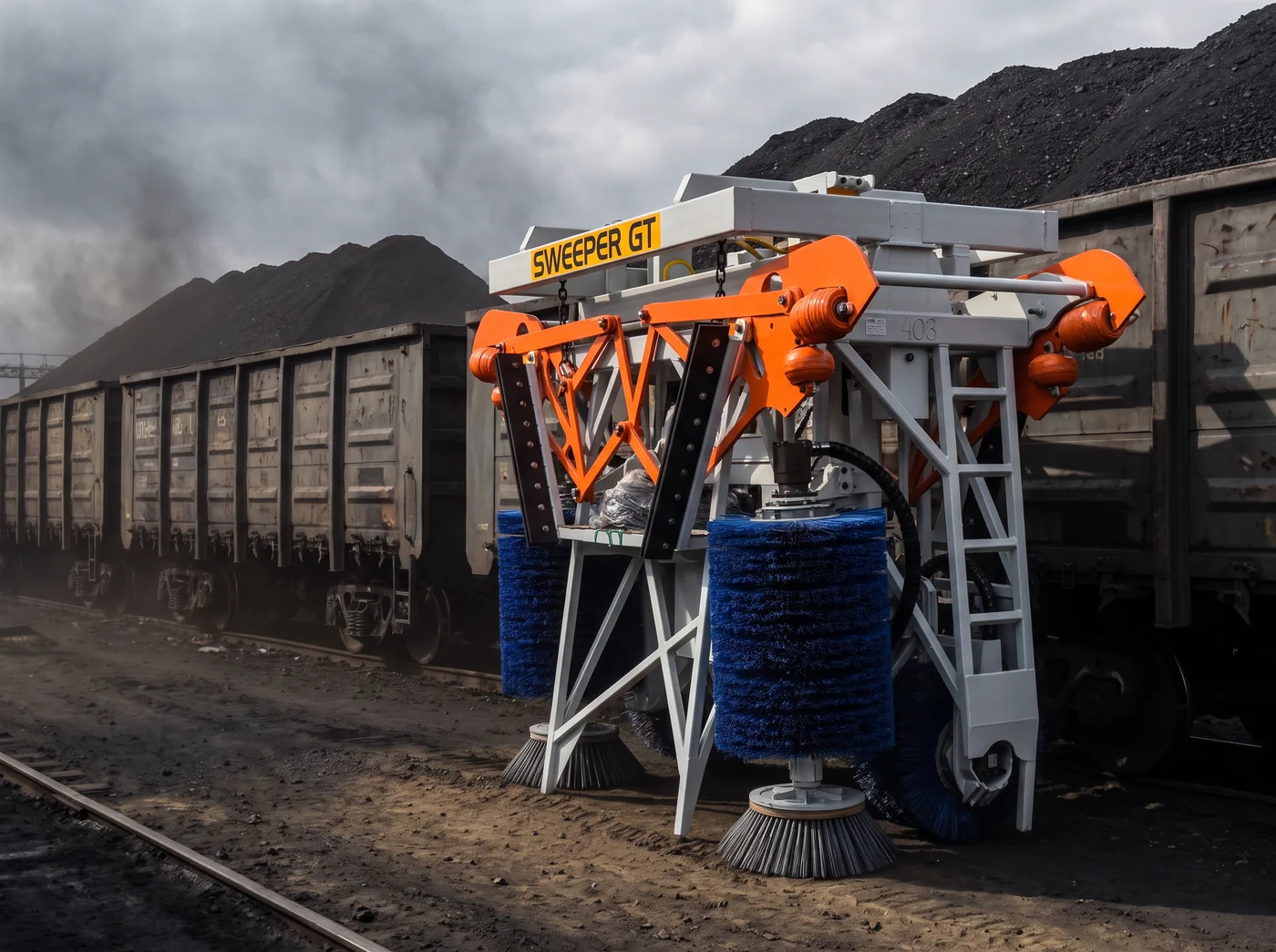
Sweeper GT
A brush machine that cleans flat-bottom open railcars of coal, coke and ore residue in 3–5 minutes.
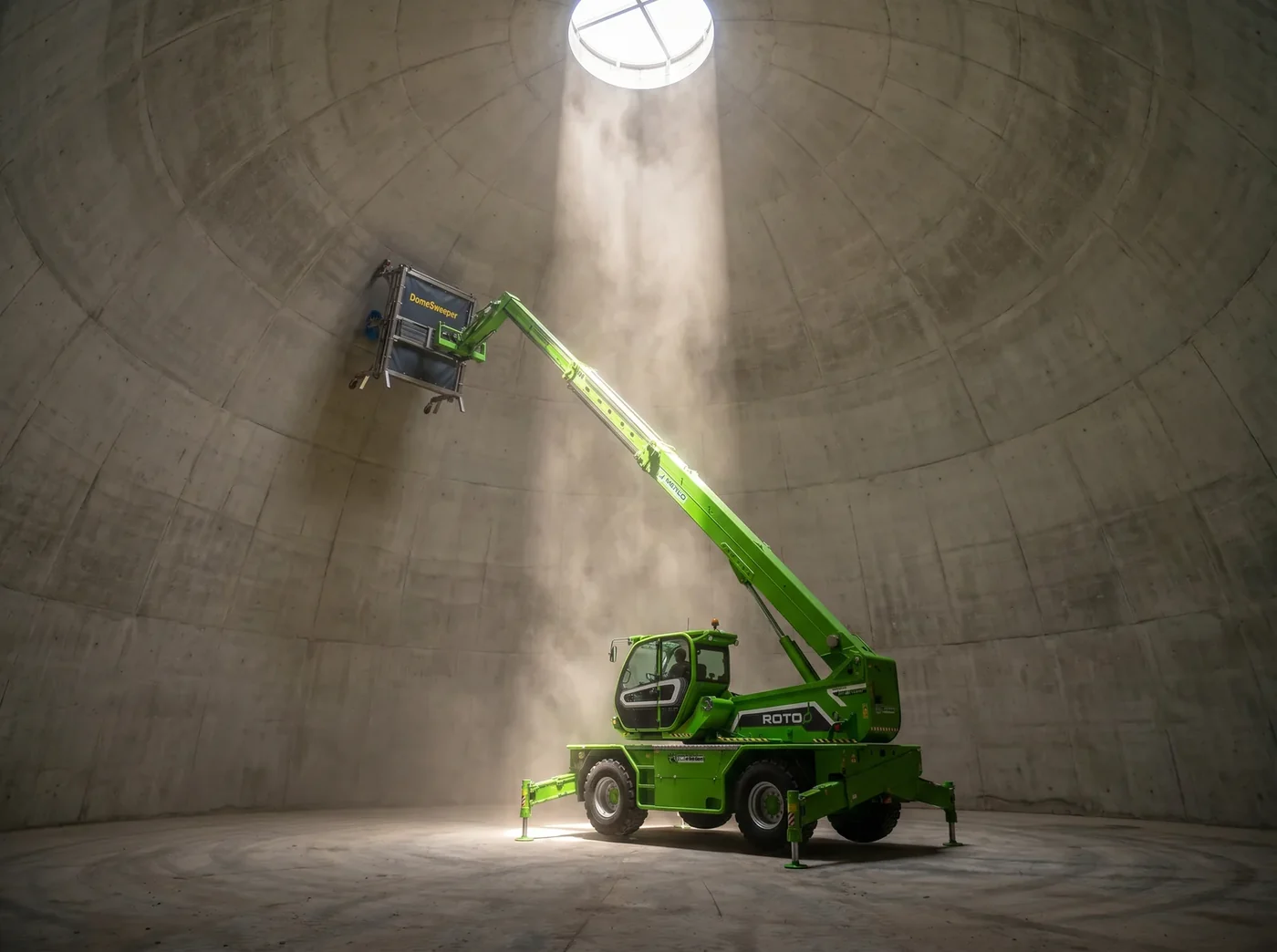
DomeSweeper
Efficient brush cleaning of built-up material off dome storage walls, without heavy manual work.
See it work.
Real footage and product renders — click any video to play.
What our clients say.
We have used the VH-500 railcar vibrator since 2017 to unload railcars of various mineral fertilisers. In all that time we have found no technical faults in the equipment and no problems for our operators. We recommend the VH-500 as reliable, effective equipment.
We have used the Global Technics VH-500 railcar vibrator since 2019, with consistently positive results. It does its unloading job excellently and is simple to operate. We recommend it to any company that struggles with railcar unloading.
Find the right equipment
for your operation.
Estimate the saving
for your own unloading point.
Enter your own figures — nothing is pre-filled. The result is an illustrative estimate for your terminal, not an offer.
Fill in your figures to see the estimate.
Gross operational estimate based on the figures you entered, before equipment operating costs and site conditions. Idle-cost saving is credited pro-rata (per minute) and labour saving assumes genuinely avoidable hours (overtime, agency or headcount). Not an offer, quote or guarantee — an engineer will verify it for your case.
Have an engineer check this →Engineered for real
bulk handling conditions.
Railcar unloading and cleaning is all we do.
Proven in working terminals — see the field footage above.
Designed for EPC and system integration — interfaces, layouts, controls.
No people inside railcars or domes — cleaning is fully mechanised.
Modular solutions adaptable to different bulk materials.
Engineering support and long-term service — from survey to spare parts.
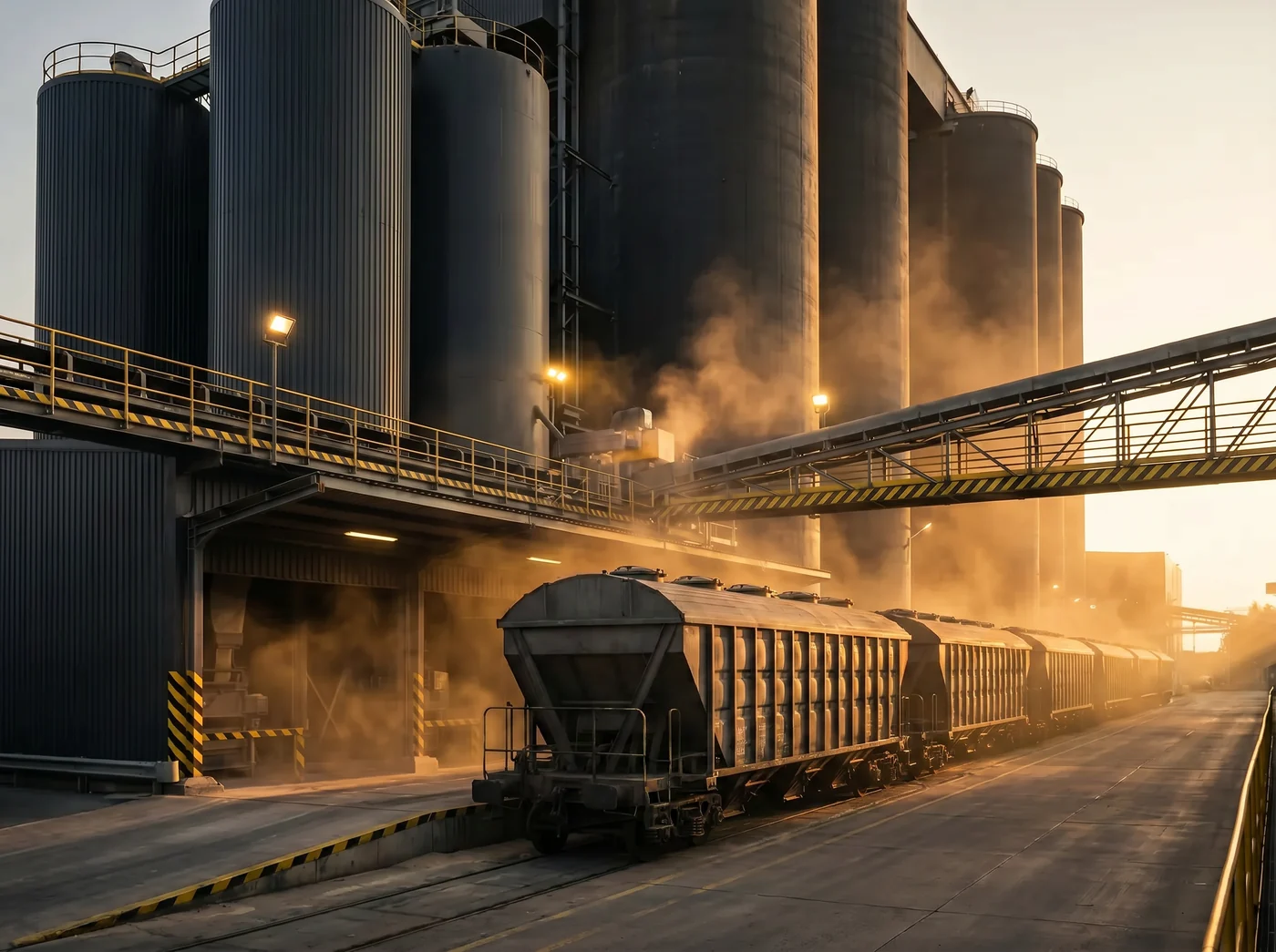
Wherever bulk moves by rail.

From your inquiry
to a running system.
Survey
We study your material, railcars and unloading process.
Selection
Engineers choose the equipment and configuration for your case.
Integration
Layouts and controls tailored to your unloading system.
Proposal
You receive a budget proposal with configuration, price and delivery terms.
Production
We manufacture your equipment to the agreed specification.
Delivery
Equipment is shipped to your terminal.
Start-up
Technical support during installation and commissioning.
Service
Spare parts and long-term engineering support.
What shapes the price.
We don’t publish fixed prices — every terminal is different. Your quote depends on:
Model & configuration
Which equipment and options your task needs.
Installation method
Mobile, fixed or built into your line.
Automation
Manual or automated control.
Integration
Interfaces, layout and controls for your system.
Delivery
Logistics to your terminal and country.
Start-up
Installation, commissioning and training.
Send us your case — you get a specific quote.
Common questions.
Which railcars does the equipment work with?
All hopper railcar types that have a frame to brace the vibrator against.
How many VH-500 vibrators per railcar?
Two vibrators.
What is the working temperature?
Standard configuration: from −30 to +40 °C. Low-temperature configuration: down to −40 °C with special oil and dried air.
What compressed air does it need?
Optimal pressure 7 bar. Air consumption per vibrator: VH-500, VH-500T, VH-500R — 2.8 m³/min; VH-200 — 2.5 m³/min. Two vibrators per railcar means double the flow.
How complex is installation?
Simple — the customer installs it themselves under Global Technics technical supervision.
What warranty do you provide?
12 months.
How is the equipment maintained?
There is a scheduled maintenance routine that the customer carries out in-house.
What about operator safety?
The equipment may be operated by personnel who have completed a safety briefing.
Ready to speed up your unloading?
Tell us about your terminal, materials and railcars — our engineers will get back to you with a recommendation within 2 working days.
Request a quote →